🇨🇦 Riding'times Canada Riding Guide

Electric Bike Laws in Canada

Wondering where you can ride your e-bike? Canadian e-bike rules vary by province. Use this guide to understand key motor power, assisted-speed, helmet and rider requirements before you ride.

🇨🇦
Province-by-Province Easy-to-understand riding guidance
Clear Specifications Motor power & speed information
🛡️
Ride Informed Know the key rules before riding
Canada E-Bike Basics

What Determines E-Bike Classification?

Canada does not use one identical e-bike rule in every province. Classification can depend on motor output, assisted speed, equipment, design and where the bike is ridden.

Motor Power

Many provinces use continuous or rated motor power as one factor in determining whether a vehicle qualifies as an electric bicycle.

🏁

Assisted Speed

Regulations may specify the speed at which an electric motor must stop providing propulsion assistance.

🪖

Rider & Equipment Rules

Minimum age, helmets, pedals, braking equipment and permitted riding locations can also affect legal use.

Z8 Riding Flexibility

Power when you want it. Control when you need it.

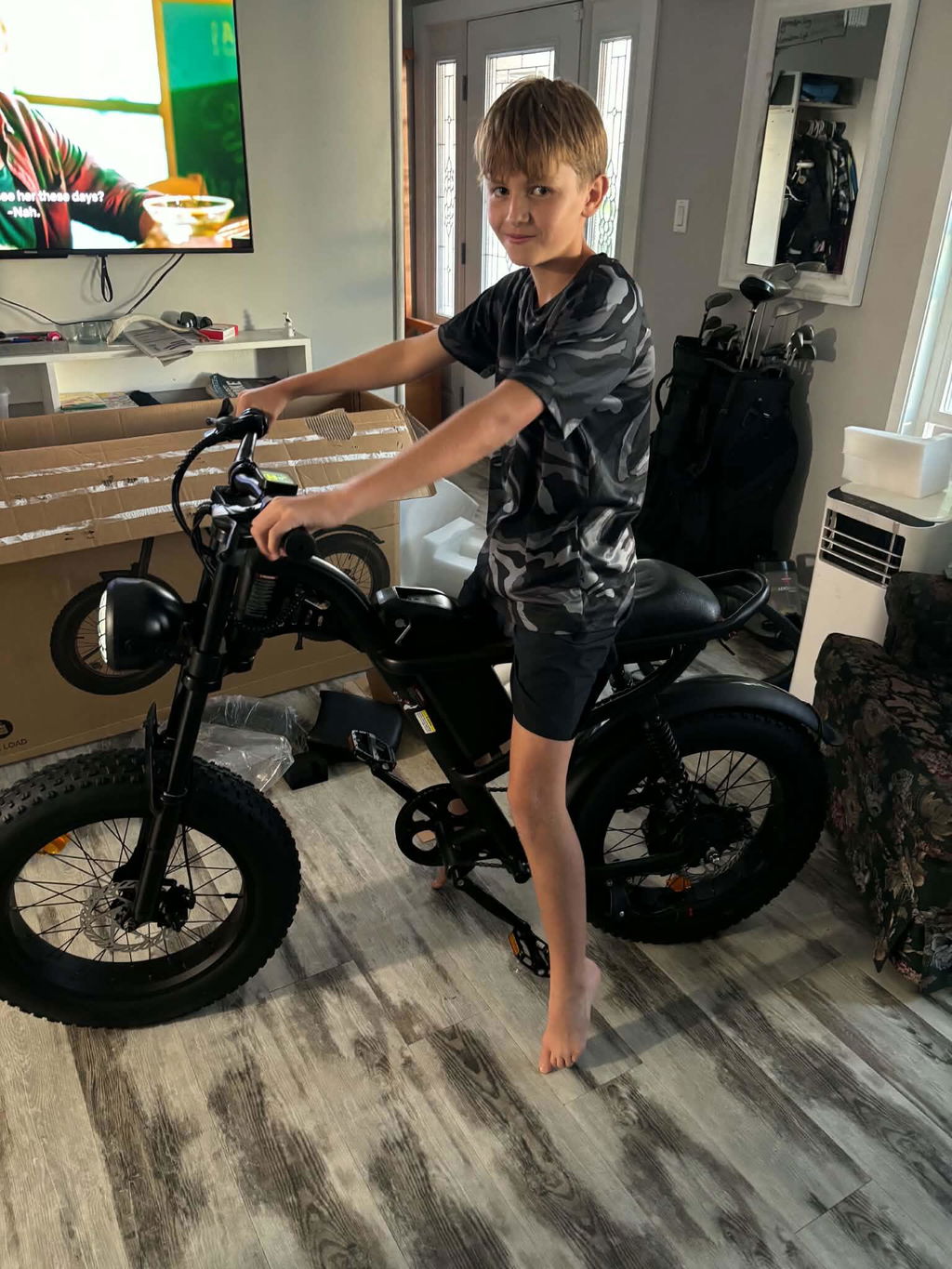
The Riding'times Z8 uses a 500W rated rear hub motor with up to 1500W peak output. Its speed setting can also be limited to 15 MPH / 25 km/h for a more controlled riding experience.

View Z8 →
500W RATED Rated Motor Power
1500W PEAK Peak Motor Output
25 KM/H Speed Limit Setting Available
Important:

A speed-limit setting alone does not determine whether an e-bike qualifies for public-road use. Provincial rules may also consider motor output, vehicle configuration and other equipment requirements.

Find Your Province

E-Bike Rules Across Canada

Select a province below for a quick overview. Always check the latest provincial and municipal requirements before riding on public roads or bike paths.

ON
Ontario
View key e-bike requirements
Motor Power Max 500W
Assisted Speed Max 32 km/h
Minimum Age 16+
Helmet Required

Ontario also specifies requirements for vehicle weight, pedals, wheels and braking. Municipal restrictions can apply to certain roads, paths and trails.

Official source
Government of Ontario Riding an e-bike
Last reviewed: August 2026
Read official requirements ↗
BC
British Columbia
Standard e-bike requirements
Continuous Power Max 500W
Motor-Assisted Speed Max 32 km/h
Standard E-Bike Age 16+
Helmet Required

British Columbia distinguishes between standard e-bikes and light e-bikes. Vehicle requirements and rider-age rules differ between the two classifications.

Official source
Government of Ontario Riding an e-bike
Last reviewed: August 2026
Read official requirements ↗
QC
Québec
Vehicle classification is especially important
Motor Power Max 500W
Motor Assistance Stops by 32 km/h
Minimum Age 18+*
Helmet Required

Riders aged 14–17 may ride an electric bike if they hold the required moped or scooter licence. Québec also has specific restrictions affecting some vehicles that resemble mopeds, scooters or motorcycles, so vehicle design and certification can matter.

Official source
Government of Ontario Riding an e-bike
Last reviewed: August 2026
Read official requirements ↗
MB
Manitoba
Power-assisted bicycle requirements
Continuous Power Max 500W
Motor Assistance Max 32 km/h
Minimum Age 14+
Helmet Required

Manitoba also specifies requirements for pedals, throttle or pedal-assist disengagement and motor controls. Local trail restrictions may still apply.

Official source
Government of Ontario Riding an e-bike
Last reviewed: August 2026
Read official requirements ↗
NB
New Brunswick
Vehicle classification matters
Key Power Threshold 500W
Key Speed Threshold 32 km/h
Higher Performance Different rules
Road Use Check classification

New Brunswick states that a human-powered vehicle with a motor of 500W or less that cannot assist above 32 km/h can be considered a bicycle. Higher-performance vehicles may face additional certification or registration requirements.

Official source
Government of Ontario Riding an e-bike
Last reviewed: August 2026
Read official requirements ↗
⚠️

Local rules still matter

Cities, municipalities, parks and trail operators may apply additional restrictions. Always check the rules for the exact area where you plan to ride.

Before You Ride

Three Things to Check

Step 01

Check Your Province

Start with your province's current e-bike definition and operating requirements.

Step 02

Check Your Bike

Compare the rated motor power, assisted speed, vehicle design and equipment with local requirements.

Step 03

Check Your Riding Area

Municipal roads, bike paths, parks and trails may have additional local restrictions.

Canada E-Bike FAQ

Questions Riders Often Ask

Are electric bikes legal in Canada?

Electric bikes can be operated in Canada when they meet the applicable provincial vehicle definition and operating requirements. Exact rules vary by province and riding location.

Is 500W allowed for an e-bike in Canada?

Several Canadian provinces use 500W continuous or rated motor output as an important threshold for qualifying electric bicycles. Other requirements also apply, so always check your province.

Can the Riding'times Z8 speed be limited?

Yes. The Z8 has a 500W rated motor with up to 1500W peak output, and its speed setting can be limited to 15 MPH / 25 km/h. Speed limiting alone does not determine legal classification.

Do I need a driver's licence for an e-bike?

Requirements depend on the province, rider age and vehicle classification. Qualifying e-bikes may not require a driver's licence in some provinces, while different rules can apply to other vehicle classes.

Are all Riding'times models classified the same way?

No. Riding'times models have different power levels, speeds and vehicle designs. Always review the specifications of the exact model and compare them with the rules where you intend to ride.

Find the Right Ride for You

Compare Riding'times models, motor specifications and riding features to choose the e-bike that best fits your needs.

Information reviewed August 2026. Regulations may change. This page is provided for general informational purposes and is not legal advice.