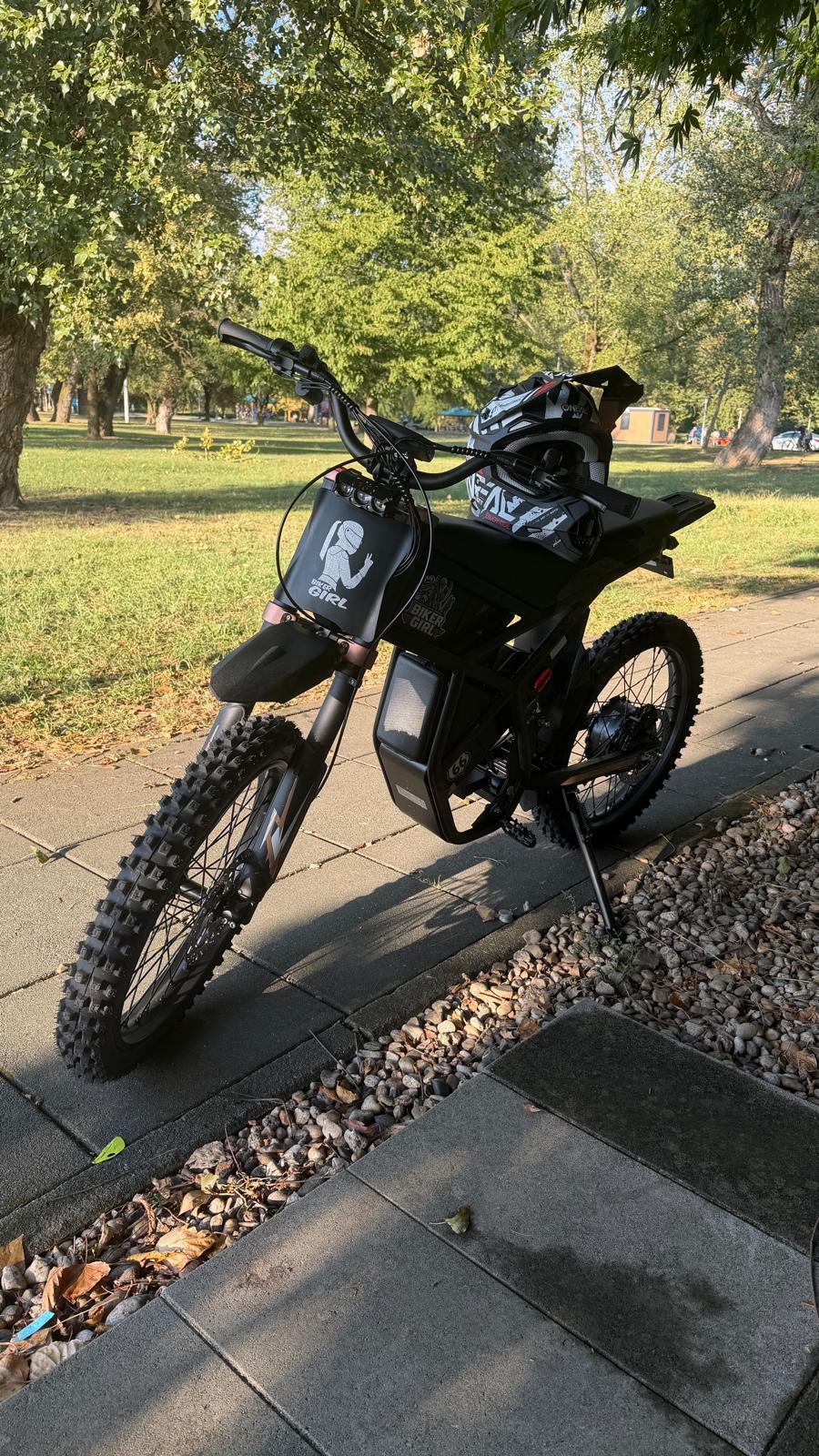
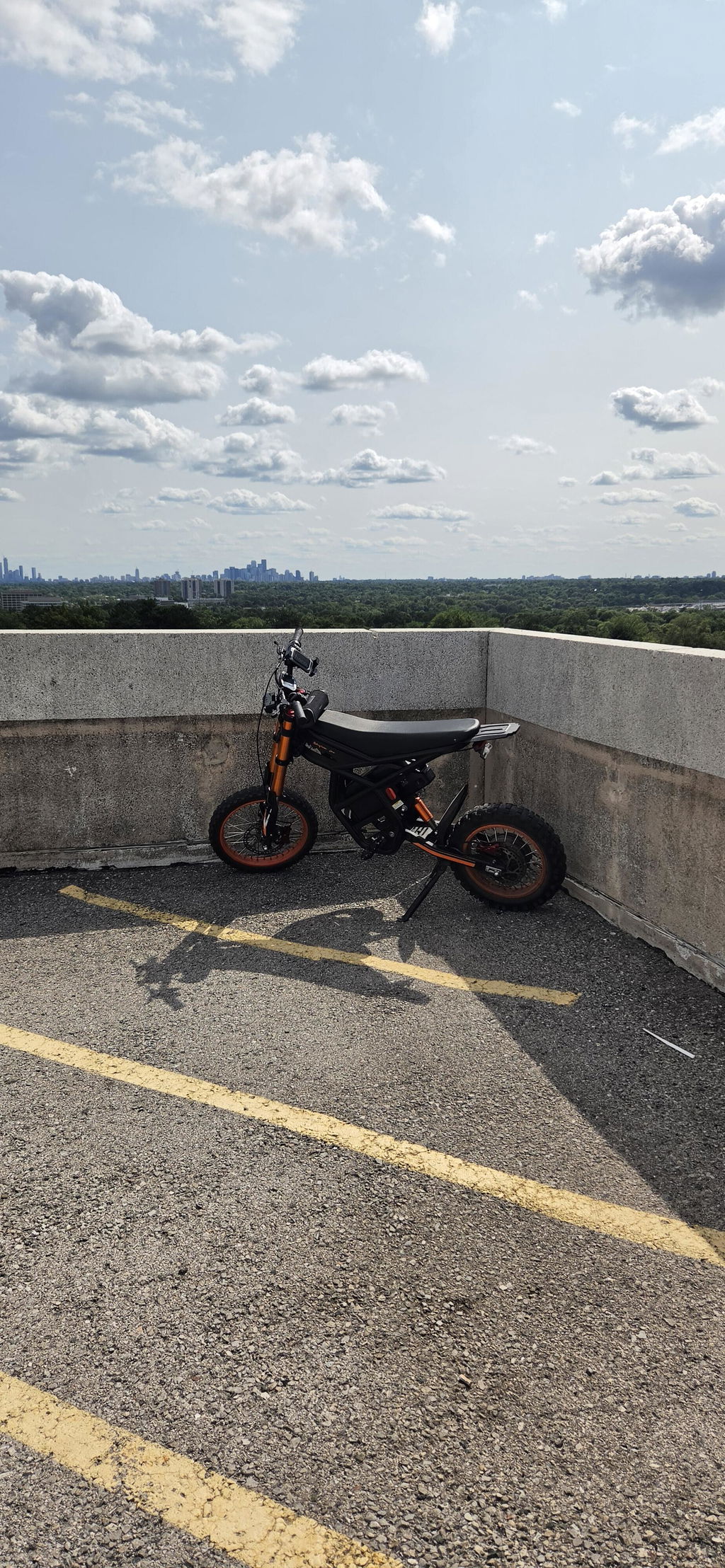
Choosing an electric dirt bike in Canada starts with more than motor power or top speed. Rider fit, experience, terrain, battery capacity, controls, suspension, braking and local riding rules all affect which model is right for you.
This guide explains how electric dirt bikes differ from everyday e-bikes and how to compare Riding’times compact mini models with larger dual-battery off-road models for eligible teen and adult riders.
Electric Dirt Bikes in Canada: The Quick Answer
Riding’times offers two main types of electric dirt bikes in Canada:
GT54 and GT54 Pro: Compact mini electric dirt bikes for riders who prioritize a smaller platform and manageable handling.
GT73 and GT73 Pro: Larger dual-battery electric dirt bikes for riders who prioritize additional battery capacity and longer off-road riding sessions.
Electric dirt bike is a product category, not a legal vehicle classification. Public-road and trail eligibility depends on the exact model, configuration, province, municipality and riding location.
Compare Riding’times electric dirt bikes in Canada
What Is an Electric Dirt Bike?
An electric dirt bike is a battery-powered bike designed primarily for recreational riding and off-road terrain. Compared with an everyday commuter e-bike, it may use a motorcycle-inspired frame, off-road tires, stronger suspension and performance-focused controls.
Some models include pedals, but pedals alone do not determine whether a bike qualifies as an electric bicycle for public-road use.
Electric Dirt Bike vs. Everyday E-Bike
An everyday electric bike is generally designed around commuting, recreational cycling and mixed-surface transportation. An electric dirt bike places more emphasis on off-road handling, suspension, traction and performance.
| Compare |
Everyday Electric Bike |
Electric Dirt Bike |
| Primary use |
Commuting and recreational rides |
Off-road and recreational riding |
Riding surface
|
Roads, bike routes and light trails where permitted
|
Private property and approved off-road areas |
Design
|
Bicycle-style or moped-style |
Mini-moto or dirt-bike-inspired |
Main buying factors
|
Comfort, practicality and local e-bike requirements
|
Rider fit, control, terrain, suspension and battery capacity |
Legal status
|
Depends on exact specifications and local rules
|
Not automatically approved for public-road use |
If everyday transportation and provincial e-bike requirements are your priority, compare Riding’times 500W electric bikes in Canada.
How to Choose an Electric Dirt Bike
1. Start With Rider Fit
The rider should be able to reach the controls, maintain balance and manage the bike’s weight confidently. Check the recommended rider height, seat height, bike dimensions and weight for the exact model.
A smaller platform may feel easier to control, but “mini” does not mean it is a toy or suitable for every young rider.
2. Match the Bike to Your Terrain
Consider where the bike will actually be used:
- Maintained dirt paths
- Gravel and uneven ground
- Hills and loose surfaces
- Private property
- Approved off-road parks or trails
Always confirm that the location permits the exact type of motorized vehicle you plan to ride.
3. Compare Battery Capacity, Not Range Claims Alone
Battery capacity is commonly expressed in watt-hours. A larger total battery capacity can support longer riding sessions, but actual range changes with speed, riding mode, terrain, temperature, rider weight, tire pressure and battery condition.
A dual-battery electric dirt bike provides additional total battery capacity. It does not guarantee exactly twice the real-world range.
4. Understand Rated Power and Peak Power
Rated or continuous power describes output the motor can sustain. Peak power describes a higher output available under certain conditions.
These measurements should not be treated as interchangeable. Provincial vehicle definitions may refer to rated or continuous power rather than the largest advertised peak number.
5. Check Brakes, Suspension and Tires
For uneven terrain, compare:
- Front and rear suspension
- Brake type and control
- Tire size and tread
- Ground clearance
- Bike weight
- Rider position
The highest power figure is not automatically the best choice. Predictable control and proper rider fit matter more, especially for beginners.
6. Consider Canadian Weather
Cold temperatures can reduce usable battery performance and riding range. Follow the model’s manual for storage and charging temperatures, and inspect tire pressure, brakes and battery connections before riding.
Never assume that off-road tires make a bike suitable for every snow-covered road or trail. Conditions and access rules still matter.
Which Riding’times Platform Should You Choose?
- A compact mini electric dirt bike platform
- A smaller footprint
- More manageable handling
- A model intended for recreational teen and adult rider fit, subject to the exact model specifications
Compare GT54 and GT54 Pro mini electric bikes
- A larger off-road electric dirt bike platform
- Dual-battery capacity
- More riding time between charging stops
- A model focused on longer recreational and off-road rides
Compare GT73 and GT73 Pro electric dirt bikes
Always compare the live specifications, dimensions and recommended rider fit for the exact model before ordering.
Are Electric Dirt Bikes Legal in Canada?
Electric dirt bikes are not automatically street legal in Canada. “Electric dirt bike,” “e-moto” and “mini electric bike” are marketing categories rather than legal classifications.
Public-road eligibility can depend on rated motor output, assisted-speed limits, pedals, controls, braking equipment, vehicle design, rider age and the rules of the province and municipality.
High-performance configurations may not qualify as electric bicycles for public-road or bike-path use. A speed-limit setting or the presence of pedals does not by itself establish legal status.
Read our Electric Bike Laws in Canada guide and check the current rules for your exact province, municipality and riding location.
Electric Dirt Bike Buying Checklist
Before choosing a model, confirm:
- The rider fits the exact bike dimensions
- The rider can safely control the bike’s weight and acceleration
- The intended property, trail or facility permits the vehicle
- Rated and peak motor power are clearly distinguished
- Battery capacity and number of battery packs are understood
- Brakes, suspension and tires match the intended terrain
- Cold-weather storage and charging instructions can be followed
- Replacement parts and support are available
-
Provincial, municipal and trail rules have been checked
Electric Dirt Bike Canada FAQ
Are electric dirt bikes street legal in Canada?
Not automatically. Electric dirt bike is a marketing category, not a single legal vehicle class. Public-road eligibility depends on the exact bike configuration and the rules of the province and municipality. Rated motor power, assisted-speed limits, pedals, controls, brakes, weight and vehicle design may all matter.
Some high-performance electric dirt bikes may be restricted to private property or riding areas that specifically permit them.
Do pedals make an electric dirt bike street legal?
No. Pedals may be one requirement for certain electric bicycle classifications, but pedals alone do not establish road legality. Motor output, assisted speed, vehicle design, controls, equipment and local regulations may also apply.
Does a speed-limit mode make an electric dirt bike legal?
Not by itself. A configurable or factory-set speed limit is a product feature, not a legal guarantee. Some regulations consider what the vehicle is capable of doing, together with its rated motor power, equipment and overall design.
Where can I ride an electric dirt bike in Canada?
Possible riding locations include private property with the owner’s permission and off-road parks, tracks or trails that explicitly allow the applicable vehicle type.
Public roads, bike lanes, multi-use paths, parks and trails can have different provincial, municipal or operator rules. Check the exact location before riding.
Can teenagers ride electric dirt bikes in Canada?
Model suitability and legal riding permission are separate questions. A model may physically fit an eligible teen rider, but age, licensing, helmet and riding-location requirements vary by province and vehicle classification.
Parents or guardians should verify the rider’s height, ability, protective equipment, model configuration and permitted riding area before use.
What is the difference between a mini electric dirt bike and a larger model?
A mini electric dirt bike uses a more compact platform that may be easier for a properly fitted rider to manage. A larger model may provide more room, additional battery capacity and a different riding position.
Choose based on rider fit and control—not age or motor power alone.
Which Riding’times electric dirt bike is best for a beginner?
Beginners should prioritize fit, predictable controls and a platform they can manage confidently. The compact GT54 family may suit riders looking for a smaller platform, while the GT73 family is intended for riders seeking a larger dual-battery off-road platform.
Every high-performance model requires practice, appropriate protective equipment and a permitted riding location.
What is the difference between rated power and peak power?
Rated or continuous power is the level a motor is designed to sustain. Peak power is a higher short-term output available under certain conditions.
When comparing models or reviewing local regulations, do not substitute the peak-power number for the rated-power figure.
Is a dual-battery electric dirt bike better?
A dual-battery model provides more total battery capacity and may reduce charging stops on longer rides. Whether it is the better choice depends on riding distance, bike weight, budget and intended terrain.
Actual range still depends on speed, riding mode, terrain, temperature, rider weight, tire pressure and battery condition.
Does cold weather reduce electric dirt bike range?
Yes. Cold conditions can reduce usable battery performance and real-world riding range. Store and charge the battery according to the model manual and manufacturer temperature limits, and plan for shorter range in colder conditions.
What safety equipment should an electric dirt bike rider use?
Use an approved helmet, eye protection, gloves, sturdy footwear and clothing appropriate for the terrain. For higher-performance off-road riding, consider a full-face helmet and additional protective equipment.
Always follow the product manual and the requirements of the riding facility or local jurisdiction.
Information checked: September 2026. Regulations and access rules can change. This guide provides general information and is not legal advice.